

By James Larson
Living in the Mankato area means being part of the Upper Midwest’s changing climate story. Natural rhythms—winters, lakes freezing, growing seasons—are shifting, with effects on homes, farms, and wild spaces alike.
Temperature Trends You May Have Noticed
Winter temperatures in Minnesota are rising faster than summer highs. Average winter lows have moved upward significantly over the past few decades, making formerly frigid nights more moderate. Across the state, overall annual temperatures have climbed several degrees over the long term. These shifts reshape what feels “normal.”
Lakes, Ice, and Water Cycles
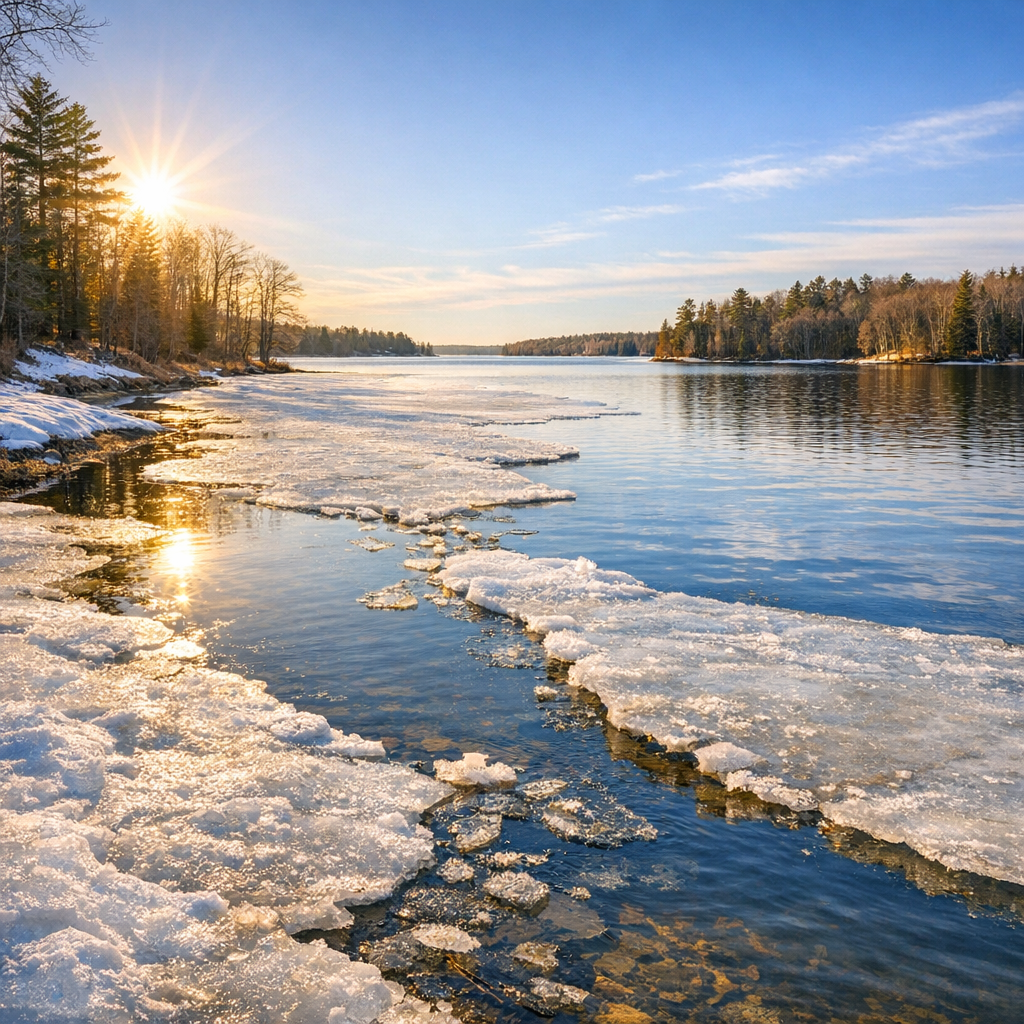
Winters bring fewer days when lakes are fully frozen. Winter ice forms later and melts earlier—shortening what’s traditionally the icy season. Summer lake temperatures are warmer too, which can encourage the growth of algae blooms, put stress on fish accustomed to cooler water, and shift recreational timing for swimming, fishing, and boating.
Rain, Storms, and Shifting Precipitation
Storm events are more intense than in past decades. Heavy downpours, especially in spring and fall, lead to flash flooding, erosion, and challenges for local infrastructure. At the same time, dry spells—often when hot air aloft limits moisture—are becoming more pronounced during summer.
Ecological Impacts Across the Region
Changes in temperature and precipitation aren’t just weather—they’re rewriting the ecological calendar. Plants are blooming earlier, insects emerging sooner, and migration timing is shifting. Tree species typical of colder northern woods are under pressure; species adapted to milder climates are creeping in. Native animals and pollinators may face mistimed food sources if plant life doesn’t align with their life cycles.
Preparing and Adapting Locally
How do Mankato-area households, farms, and communities stay resilient? Here are a few strategies:
- Monitor lake conditions carefully, especially for safe ice formation and melting.
- Support urban and rural tree planting with species adapted to changing climates.
- Improve drainage and infrastructure for handling heavy spring rains.
- Adjust gardening and planting schedules based on emerging seasonal cues.
- Stay informed through local weather services and community climate reports.
Looking Forward
These shifts won’t reverse on their own—and many are projected to continue growing more intense. Warmer winters, more precipitation variability, and ecological adjustments are likely to deepen in coming decades. However, through informed planning and community action, local adaptation can reduce harm and preserve the quality of life we value here.
In all the changes we see, one thing holds true: noticing the difference is the first step—then comes adapting. In Mankato, that means staying aware, staying connected, and staying ready.